
Understanding the psychology of gambling why do we take risks
Understanding the psychology of gambling why do we take risks
The Allure of Risk-Taking
Risk-taking is an intrinsic part of human nature, and gambling is one of the most tangible expressions of this trait. The adrenaline rush associated with placing a bet can be intoxicating, providing a thrill that many seek to experience repeatedly. This sensation often stems from the anticipation of a win, triggering dopamine release in the brain, which reinforces the desire to gamble. Many players prefer casinos not on gamstop uk to enhance their experience and explore new opportunities.

The excitement generated by the possibility of significant rewards can overshadow the risks involved. Many gamblers perceive the odds as more favorable than they are, driven by cognitive biases such as optimism bias. This skewed perception contributes to a cycle of risk-taking, where the thrill of potential victory often outweighs the fear of loss.
Psychological Factors Behind Gambling
The psychology of gambling is complex, influenced by various factors including personality traits and emotional states. For some, gambling serves as an escape from reality, providing a temporary reprieve from stress or dissatisfaction in life. This behavior can lead individuals to gamble more frequently, as they seek to alleviate negative emotions.
Social influences also play a crucial role in gambling behavior. The normalization of risk-taking within social circles can encourage individuals to participate in gambling activities. Peer pressure and shared experiences create a sense of community around gambling, further embedding it into one’s lifestyle. The desire for social acceptance can amplify the willingness to take risks.
The Role of Cognitive Dissonance
Cognitive dissonance is another psychological principle that explains why people continue to gamble despite losses. After a loss, individuals may justify their actions by recalling past wins or believing that they are « due » for a win. This mental gymnastics allows them to reconcile their conflicting feelings and maintain their gambling habits.
This dissonance can lead to a phenomenon known as the « gambler’s fallacy, » where one believes that previous outcomes influence future results. For instance, if a player experiences a string of losses, they may convince themselves that a win is imminent, prompting them to take even greater risks in hopes of a turnaround.
The Impact of Environment on Gambling Behavior
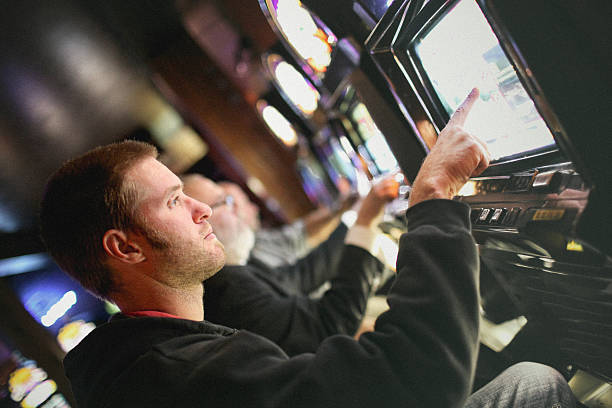
The environment in which gambling takes place significantly influences behavior. Casinos and online gambling platforms are designed to be stimulating and alluring, filled with bright lights, captivating sounds, and enticing offers. This sensory overload can create a sense of urgency, prompting gamblers to make impulsive decisions.
Moreover, the availability of gambling options, especially in online settings, can lead to impulsive behavior. With instant access to games and betting opportunities, individuals may find it easier to place bets without thoroughly considering the consequences. This accessibility can heighten the risks associated with gambling, often leading to excessive play and financial strain.
Explore Your Options with Non GamStop Casinos
Understanding the psychology of gambling can empower individuals to make more informed decisions about their gambling habits. By recognizing the underlying motivations for risk-taking, players can develop healthier gambling practices. Non GamStop Casinos offers a unique platform for those seeking alternatives, providing access to a variety of gaming experiences without restrictions.
Our curated selection of casinos ensures that players enjoy generous bonuses and extensive game libraries. We are committed to helping you find the right environment for your gaming preferences while promoting responsible gambling. Explore your options today and enhance your online gaming experience with us!
Pas de commentaires